

Most “joggers vs sweatpants” guides give you the same shallow answer: joggers are slim, sweatpants are loose. That's true, but it doesn't help much when you're dressing for a humid commute, a cold recovery day, a short inseam, or a casual office. The better question is which pair fits the job, your proportions, and the climate you'll face.
Joggers are built around control. Sweatpants are built around ease. The difference shows up in the fabric, the leg shape, the ankle, the way each garment handles movement, and whether it still looks intentional once you leave the house. Use this guide to choose based on real wear rather than marketing labels.
| Decision factor | Joggers | Sweatpants |
|---|---|---|
| Overall shape | Tapered and closer to the leg | Relaxed, roomy, or straight |
| Ankle finish | Ribbed or elasticized cuff, sometimes zipped | Open hem or softer banded finish |
| Best strength | Versatility and controlled movement | Warmth and unrestricted comfort |
| Typical styling | Sneakers, casual jackets, clean layers | Hoodies, slides, relaxed sneakers |
| Strongest use cases | Travel, errands, light training, casual outings | Lounging, recovery, cold weather |
| Main risk | Can feel restrictive or warm if overbuilt | Can look bulky or drag over footwear |
Table of Contents
- Why Joggers and Sweatpants Are Not the Same Pant
- The Comparison Criteria That Actually Matter
- Construction and Fabric Engineering Differences
- Fit, Silhouette, and How Each Sits on the Body
- Performance, Comfort, and Climate Behavior
- Matching the Right Pant to Your Week
- Which One Should You Actually Buy
- Quick Answers to the Questions Shoppers Still Ask
Why Joggers and Sweatpants Are Not the Same Pant
Joggers aren't sweatpants after someone trimmed the leg. That popular explanation misses the design history. Sweatpants were first developed in the 1920s for athletic use, with one widely cited account crediting Émile Camuset, founder of Le Coq Sportif, with introducing the first pair in France around that period. By the late 1930s, they were commonplace at the Olympic Games, and Adidas helped push the tracksuit into mainstream athletic fashion after introducing its version in 1964. The history of sweatpants shows how the garment moved from practical warm-up gear into everyday clothing.
Joggers arrived much later as a more controlled, style-focused interpretation of that athletic silhouette. Their popularity is closely associated with the early 2010s, as athleisure expanded and shoppers wanted comfortable trousers that looked sharper than traditional fleece. That timing matters because joggers were designed around a different expectation. They needed to move, but they also needed to keep a cleaner line from hip to ankle.
The practical consequence is easy to see. A tapered jogger can disappear neatly into a low-profile sneaker, while a roomy sweatpant may bunch over the same shoe. Put a jogger under a bulky boot and the cuff can fight the shaft, while an open-hem sweatpant may sit more naturally over it. Neither result is automatically wrong. The mistake is treating them as interchangeable.
If you're comparing a relaxed jogger with a slimmer sweatpant, the distinction gets even blurrier. A useful example is this guide to khaki jogger sweatpants, where the name reflects how modern products often combine categories. Labels help, but the pattern, fabric, and hem tell you more than the product title.
The Comparison Criteria That Actually Matter
A basic pros-and-cons list won't settle this. Four criteria give you a much better answer.
Fit geometry comes first. Taper, rise, seat room, inseam, and cuff behavior determine whether the garment follows your body or collapses around it. A good jogger keeps fabric out of the way of your shoe. A good sweatpant gives your hips, thighs, and knees room to move without pulling.
Fabric engineering explains why two pairs with similar cuts can feel completely different. Weight, stretch, surface texture, and recovery affect drape and durability. A lightweight stretch jogger may feel agile but expose every line of the leg, while a heavier cotton fleece sweatpant can feel reassuringly substantial but create more heat.
Function and climate decide whether comfort lasts beyond the first few minutes. Breathability matters on a warm commute. Insulation matters on a cold morning. Moisture sensation, fabric bulk, and activity level can change your experience more than the word “jogger” or “sweatpant” on the tag. Research on clothing comfort and garment conditions supports judging comfort through those interacting factors rather than relying on category names alone.
Styling range determines whether the pair earns regular wear outside the house. A pant that works only with a matching hoodie has a narrow wardrobe role. The strongest purchase works with your usual sneakers, outerwear, and tops without looking accidental.
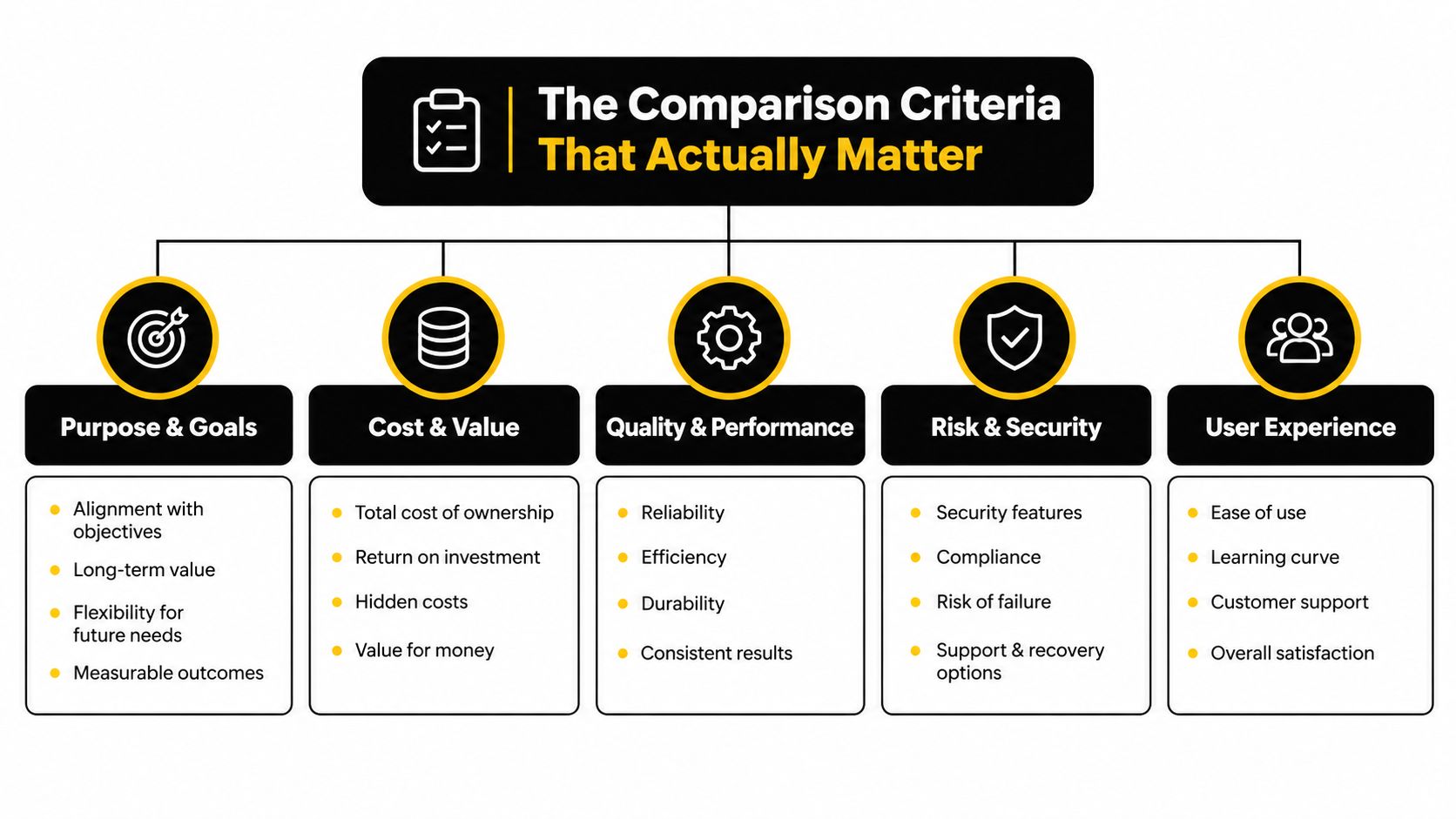
Every recommendation ahead comes back to these four lenses. Fit tells you how the pant looks, fabric tells you how it behaves, climate tells you when it works, and styling tells you whether you'll reach for it.
Construction and Fabric Engineering Differences
The label “jogger” doesn't guarantee a particular fabric, so read the specification before judging the silhouette. A manufacturing-lab comparison placed joggers at 150 to 250 GSM and sweatpants at 280 to 400+ GSM, with joggers generally using tapered or athletic cuts and sweatpants using roomier shapes. The joggers-versus-sweatpants manufacturing comparison also associated joggers with more than 5% elastane and better shape retention during repeated movement, while sweatpants were listed at less than 2% elastane and more prone to knees bagging out.
Those figures describe a useful pattern, not a universal rule. A jogger can be thick and soft, and a sweatpant can be relatively light. Still, the engineering goal usually differs. Joggers prioritize a stable line, controlled stretch, and a hem that stays near the ankle. Sweatpants prioritize volume, softness, and thermal comfort.
What to inspect before buying
Look closely at the waistband. Joggers often use an elastic waist with a drawcord, a defined rise, and sometimes a gusseted crotch. That combination supports movement while keeping the garment visually tidy. Sweatpants commonly use a more relaxed seat and a softer waistband, giving you more space when sitting or lounging.
The ankle is just as important. Ribbed or elasticized cuffs create the familiar jogger profile and keep the hem from sweeping across the floor. Sweatpants may use a relaxed open hem or a less assertive band, which gives them more drape but also makes them more likely to stack over a shoe.
| Spec | Joggers | Sweatpants |
|---|---|---|
| Typical benchmark weight | 150 to 250 GSM | 280 to 400+ GSM |
| Stretch benchmark | More than 5% elastane in the cited comparison | Less than 2% elastane in the cited comparison |
| Leg shape | Tapered or athletic | Loose and roomy |
| Shape behavior | Better recovery during repeated motion | More likely to relax at knees |
| Ankle | Ribbed or elasticized cuff | Open or lightly banded hem |
| Main design priority | Mobility with a controlled outline | Warmth and unrestricted ease |
The Essential Jogged Sweatpants show why product-specific details matter. The listed garment uses 80% cotton and 20% polyester, weighs 310 g/m², and has a moderate thickness, elastic waist, drawstring, pockets, mid waist, and a loose regular fit. It sits closer to a substantial casual jogged sweatpant than to a lightweight technical running jogger.
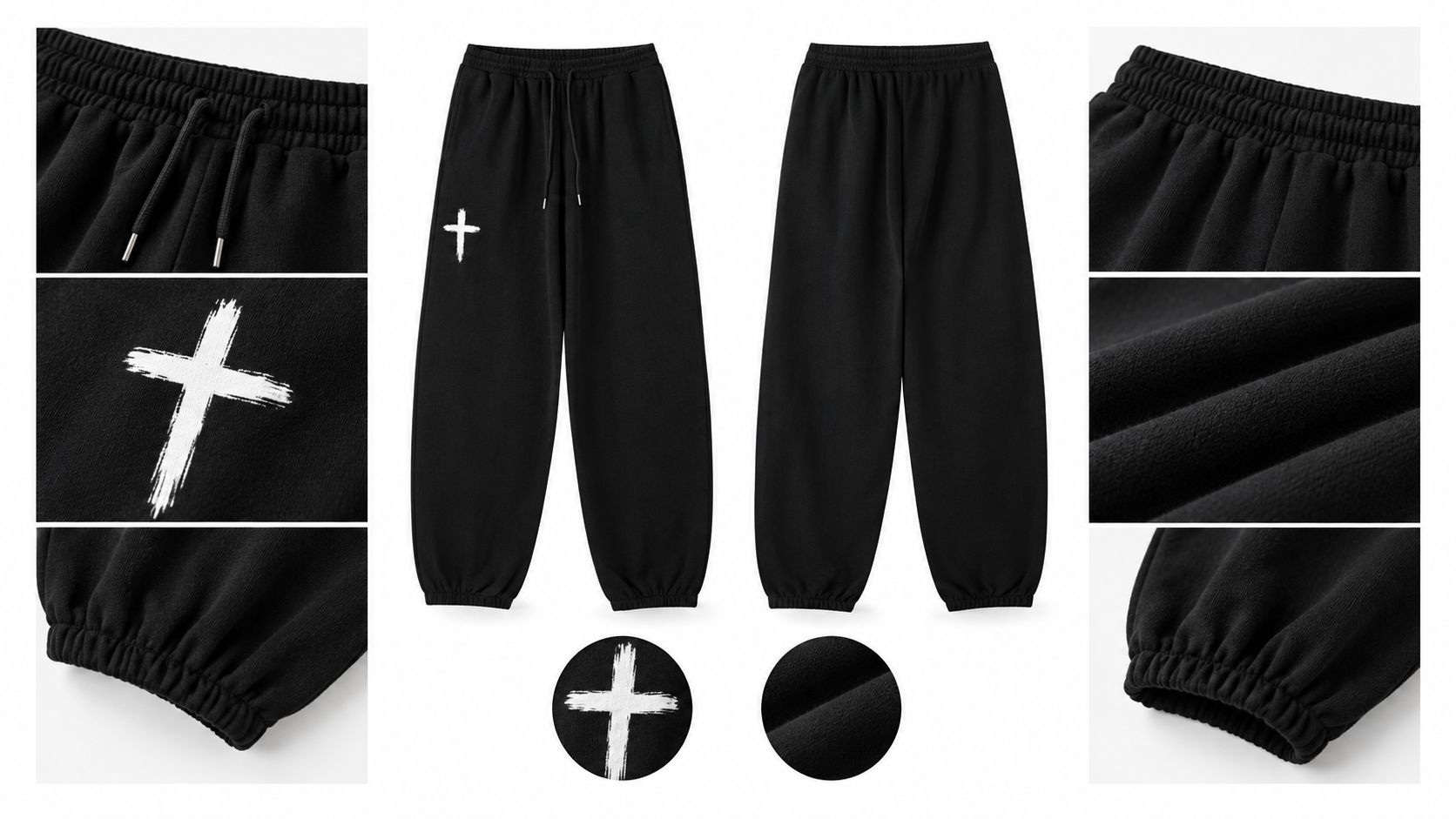
That means you'll feel more fabric than you would in a thin performance jogger, but you may also get a softer, more grounded drape. Construction decides the lived experience, not the name alone.
Fit, Silhouette, and How Each Sits on the Body
Joggers create a visual funnel. They usually give you room through the seat and upper thigh, then narrow toward the calf and finish with a cuff. Sweatpants keep more width through the leg, so the eye reads them as relaxed from waist to hem.
That difference changes how each cut works with your body. Athletic thighs often need a jogger with a generous upper block and a gradual taper. A sharply narrowed jogger can pull across the thigh and then exaggerate the contrast below it. Sweatpants are more forgiving there, but excess fabric can make the whole lower half look heavier.
Shorter legs usually benefit from a controlled jogger hem because the cuff stops the fabric from swallowing the shoe. Longer legs can carry either cut, but a short jogger inseam may make the ankle look exposed, while a longer sweatpant can create deliberate stacking. Don't confuse accidental pooling with a relaxed silhouette. The hem should either finish clearly or drape with intention.
| Feature | Joggers | Sweatpants |
|---|---|---|
| Thigh | Roomy to athletic | Usually roomier |
| Lower leg | Tapers toward ankle | Straight, relaxed, or wide |
| Rise | Often mid to high | Often relaxed, depending on pattern |
| Hem | Cuffed and controlled | Open or softly banded |
| Short inseam | Usually easier to manage | Can bunch at the shoe |
| Long inseam | May expose ankle if too short | Can create fuller stacking |
| Best footwear match | Low-profile sneakers and trainers | Sneakers, slides, and boots with enough shaft room |
Standing, a jogger looks sharper. Sitting, the taper can pull more visibly at the knee and calf, especially if the fabric lacks recovery. Sweatpants usually win the seated comfort test because the leg keeps its volume and doesn't ask the cloth to maintain a narrow line.
Your shoes should decide the final call. Wear joggers with clean sneakers when you want the ankle and upper to look deliberate. Use sweatpants with slides for an openly relaxed outfit, or with boots when the hem is long enough to fall naturally over the footwear. A practical guide to the best jogger sweatpants is useful for seeing how product naming can combine a jogger hem with a sweatpant-inspired fit.
Fit rule: Measure the pair you already love, especially the waist, hip, inseam, and leg opening. Then compare those measurements with the new size chart instead of trusting S, M, or L alone.
Performance, Comfort, and Climate Behavior
Fabric weight changes your day before you consciously notice it. A lighter jogger generally feels less intrusive during walking and transitions, while a heavier sweatpant holds more warmth and creates a fuller drape. That doesn't make one universally more comfortable. A loose, breathable sweatpant can beat a tight, warm jogger during a long day, while a structured jogger can feel better during movement because it doesn't flap or drag.
Stretch recovery matters too. The manufacturing comparison cited earlier links joggers with higher elastane content and stronger shape retention, while low-stretch sweatpants are more likely to relax around the knees after repeated wear. In practice, a jogger with good recovery keeps its intended taper through a commute, workout, and errands. A soft sweatpant may feel better at first but gradually look less crisp as the fabric settles.
Match the fabric to the weather
For warm or humid conditions, avoid assuming that a jogger is automatically cool. A dense cotton-blend jogger can trap heat, especially when the ankle cuff limits airflow. A lighter construction with a breathable surface is the better choice. Loose sweatpants may allow more air around the leg, but heavy fleece is still a poor choice once the temperature rises.
Cold weather reverses the preference. Brushed fleece and substantial cotton blends provide the insulation that thin joggers lack. Sweatpants are especially effective for slow mornings, recovery, and outdoor waiting, where warmth matters more than a lean outline.
Moisture creates another divide. Cotton feels soft but tends to hold onto sweat, making it less pleasant for sustained high-output activity. Performance fibers and lighter constructions generally manage dampness more effectively. A gusset can improve mobility, while a cuff keeps fabric away from the ground, but neither feature can compensate for an overly warm fabric.
This short visual comparison can help you notice how different cuts and fabrics move in practice.
Wash care also affects lifespan. Follow the garment instructions, avoid excessive heat when the label warns against it, and don't expect washing to restore permanently stretched elastane. Pilling, fading, and softened knees depend on the fiber blend, surface finish, friction, and laundering routine.
Matching the Right Pant to Your Week
Your busiest day should decide the purchase. A week built around commuting, walking, sitting, and casual plans usually favors joggers because their shape handles more settings. A routine centered on cold mornings, recovery, and long hours at home gives sweatpants the advantage.
The weekly decision list
- Quick errands and coffee: Pick joggers. A tapered leg and cuff look intentional with sneakers, so you can move between shops without appearing dressed for bed.
- Gym sessions: Pick joggers only when the fabric breathes and the cut allows a full stride. A thick cotton pair remains a poor choice for intense training, regardless of its sporty branding.
- Recovery days: Pick sweatpants. Extra room through the thigh and knee feels better for stretching, resting, and sitting for extended periods.
- Airport and long-haul travel: Pick joggers for a cleaner outfit that still moves easily. Choose sweatpants when warmth and maximum looseness matter more than presentation.
- Casual offices: Pick dark, minimal joggers with a clean hem and structured top, but follow the dress code. Sweatpants rarely work unless the workplace is exceptionally informal.
- Home lounging: Pick sweatpants. Their softness and volume make them the clear choice.
- Rainy walks: Pick the pair with a hem that stays off the ground. That usually means joggers, although fabric thickness and water resistance still matter more than the label.
Body shape should influence the choice too. Joggers suit shorter frames and slimmer legs when a clean, uninterrupted line helps the outfit. They also work well for people who dislike excess fabric around the shoe. Sweatpants give fuller thighs, broader builds, and anyone who values room through the seat and knee a more forgiving fit. A severe taper can feel restrictive, while an oversized sweatpant can overwhelm a smaller frame.
Climate changes the answer across the week. Humid afternoons punish heavy fleece, while cold mornings expose thin, clingy fabric. Transitional seasons favor a moderate-weight pair that layers under a jacket without making the outfit bulky. For a mixed climate, choose the fabric first and the category second.
For packing, follow one rule: take joggers when you need to look composed while moving, and sweatpants when comfort and warmth are the main event. If both pairs create the same outfits, buy one and give it the clearer role.
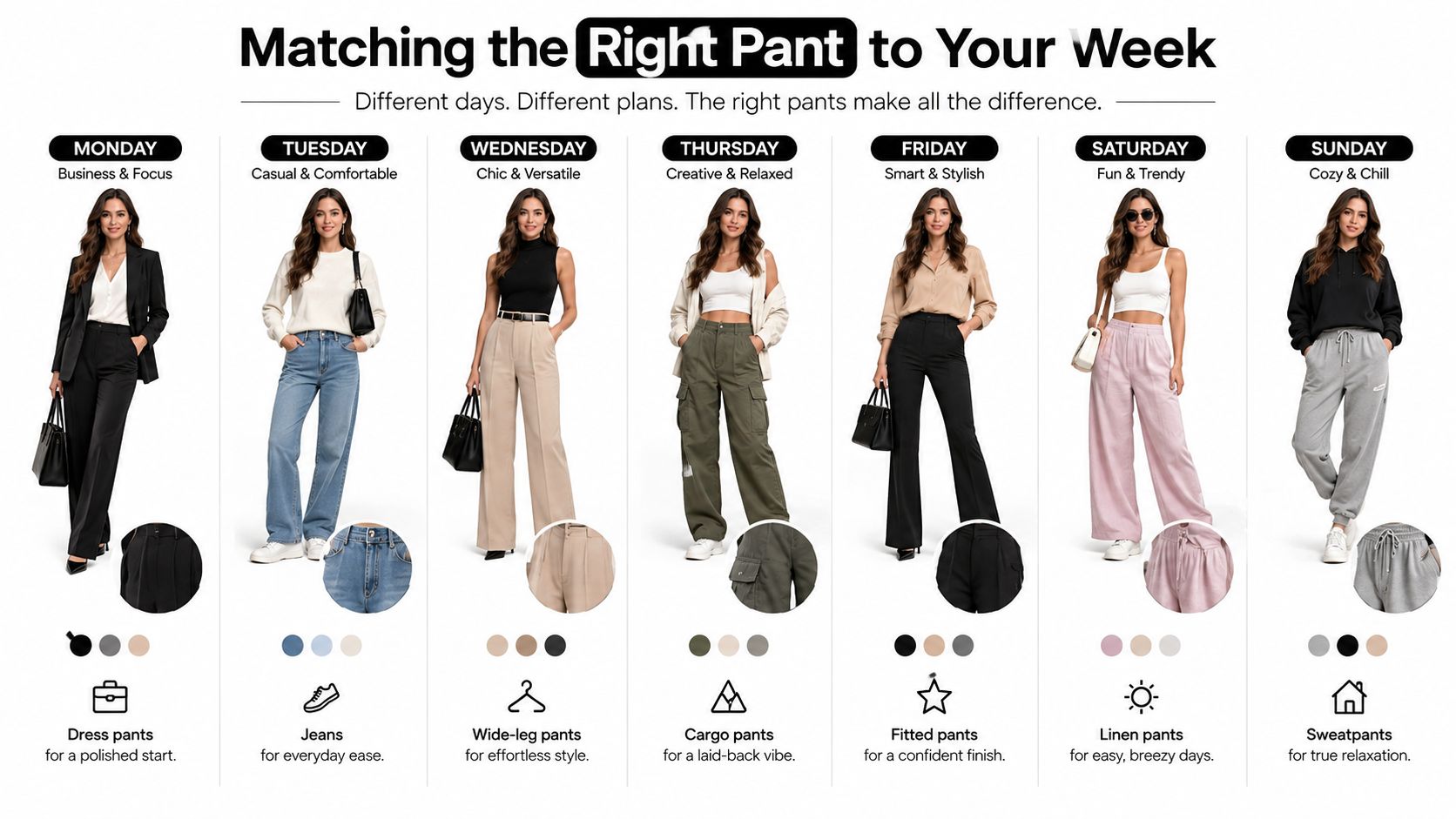
A black jogger covers more situations than a graphic or heavily branded pair. This guide to black jogger sweatpants shows how color and surface finish can extend a relaxed pant across errands, travel, and casual social plans.
Which One Should You Actually Buy
If you are buying one pair, choose for the role you will use most. A compromise pair that feels merely acceptable everywhere earns less wear than a clearly assigned favorite.
| Buyer Profile | Recommended Pant | Key Reason | Trap to Avoid |
|---|---|---|---|
| Gym-first buyer | Lightweight performance joggers | Cuffs and controlled stretch support movement | Buying thick fleece for high-output sessions |
| Style-conscious dresser | Clean tapered joggers | They pair with more footwear and outer layers | Choosing an aggressive taper that strains at the thigh |
| Cold-climate comfort seeker | Substantial sweatpants | Room and warmth matter more than a narrow outline | Treating heavy fleece as an all-season fabric |
| Travel-heavy professional | Midweight, minimal joggers | They balance sitting comfort with a composed appearance | Wearing a loose pair that collapses over shoes |
| Value-driven minimalist | One versatile midweight pair | A moderate fabric and neutral finish cover more days | Buying two pairs with identical fit and purpose |
My call for each wardrobe
The gym-first buyer should choose joggers after checking the fabric and movement details. Look for room through the hips, a secure waistband, and a hem that stays clear during training. Cotton-heavy fleece suits warm-ups and recovery, while lighter performance fabric handles demanding sessions better.
The style-conscious dresser should choose joggers too. A restrained taper works with sneakers, overshirts, bomber jackets, and casual coats. Avoid ultra-tight legs. Once the fabric has no room to move, the pants resemble leggings rather than trousers.
The cold-climate comfort seeker should buy sweatpants. Pick substantial fabric for the season and a relaxed seat that remains comfortable while sitting. A thin fashion jogger cannot replace genuine warmth.
The travel-heavy professional needs a midweight jogger in a dark neutral. It works for airport walking and extended sitting, then gives a jacket or overshirt a cleaner foundation. Skip shiny performance fabric and oversized branding because both limit where the pair looks appropriate.
The value-driven minimalist should buy one pair first and test whether it fills a real gap. The category has expanded into countless variations, but more options do not create a need for more clothing. Judge the purchase by repeated wear, not by the size of the selection.
Own both only when their jobs clearly differ. A moderate-weight jogger for leaving home and a warmer sweatpant for lounging make a sensible pair. Two nearly identical cotton styles with the same rise, color, and relaxed cut duplicate the laundry.
Quick Answers to the Questions Shoppers Still Ask
Are joggers better for tall or short builds?
Neither wins automatically. Shorter legs often benefit from a cuff that controls excess length, while taller shoppers need to check inseam carefully so the hem doesn't sit too high. For either build, compare the garment's actual length with a pair you already wear successfully.
Which option works in a smart-casual office?
A minimal jogger has the better chance, especially in a dark neutral with a clean waistband, refined fabric, and no loud graphics. Sweatpants usually read too relaxed because the extra volume and soft hem signal leisure.
Can you shrink a stretched-out pair?
Don't use aggressive heat as a repair strategy. High heat can distort the fabric and damage elastane, so follow the care label and treat permanent loss of recovery as a construction problem rather than something washing can reliably fix.
Is a higher price justified?
Only if the construction earns it. Check the fabric weight, stretch recovery, waistband, gusset, stitching, pockets, and hem before paying more. A higher price isn't proof of better quality, but a well-engineered pair can hold its shape and serve more situations.
Should boots or sneakers decide the purchase?
Yes. Joggers usually work best with low-profile sneakers because the cuff keeps the ankle clean. Sweatpants can work with sneakers or slides for a relaxed outfit, while boots need enough hem volume and length to fall naturally without catching on the shaft.
The category's appeal is practical, not mysterious. The broader athleisure market gives joggers and sweatpants a substantial role, and the right choice comes down to whether your week demands structure, warmth, movement, or simple ease. Buy the pair that solves your most common dressing problem.
99 Collection offers casual wardrobe staples including sweatpants, tanks, and cotton T-shirts, with an emphasis on unisex basics, minimalist styling, and faith-informed design. Visit 99 Collection to compare relaxed everyday pieces and choose the jogger or sweatpant that fits your actual rotation.